简体中文
简体中文 Shqip
Shqip لالعربية
 Polski
 رسی
رسی Deutsch
 Русский
 Français
 한국어
한국어 Nederlands
 Čeština
 Bahasa Melayu
 Português
 日本語
日本語 Svenska
 Kiswahili
 ไทย
ไทย Türkçe
 繁体中文
繁体中文 Українська
 Español
 Italiano
 हिन्दी
 Bahasa Indonesia
 Tiếng Việt
 Filipino
In the field of food safety, risk control in all links of the food chain is always a top priority. Among them, feed is the foundation of animal breeding, and its safety and quality are directly related to the quality and safety of subsequent meat, eggs and milk products. As one of the common pollutants in feed, aflatoxin B, once it exceeds the standard, it will be transmitted through the food chain layer by layer, posing a potential threat to the safety of meat, eggs and milk.
Aflatoxin B: An invisible risk source in feed
Aflatoxin B is a secondary metabolite produced by Aflatus flavus, Aspergillus parasiticus and other molds, which has strong toxicity and carcinogenicity. Such toxins exist widely in the natural environment, especially under high temperature and humidity conditions, moldy corn, bran, soybean meal and other feed raw materials are prone to breed toxic molds, resulting in excessive aflatoxin B in feed. It is worth noting that even after simple processing, if the raw materials are seriously contaminated, the risk of feed toxin residues may still increase.
food chain transmission: the pollution path from feed to meat, eggs and milk
After animals eat contaminated feed, aflatoxin B will enter the body through the digestive system, and some toxins are absorbed and metabolized in organs such as the liver, but due to its strong accumulation, it is difficult to completely excrete. With the enrichment of toxins in animals, residues may be detected in meat, eggs, milk and other products. For example, after dairy cows eat contaminated feed, milk may contain aflatoxin B; after poultry ingests contaminated feed, egg products will also have toxin residues; livestock muscles, internal organs and other tissues may also be hidden due to toxin accumulation.
meat, eggs and milk safety hazards: the health threat of toxin residues
the residual aflatoxin B in meat, eggs and milk, which is significantly harmful to human health. It has strong carcinogenicity, long-term intake may increase the risk of liver cancer and other malignant tumors; at the same time, its hepatotoxicity can damage liver function, affect liver metabolism and detoxification function, especially for infants and young children, pregnant women and people with weakened immunity, the harm of toxin residues is more prominent. In addition, even with trace residues, long-term cumulative effects may pose a chronic threat to consumer health, so the content of aflatoxin B in meat, eggs and milk must be strictly controlled.
Scientific testing and prevention and control: Wuhan Yupinyan Bio helps the food safety defense line
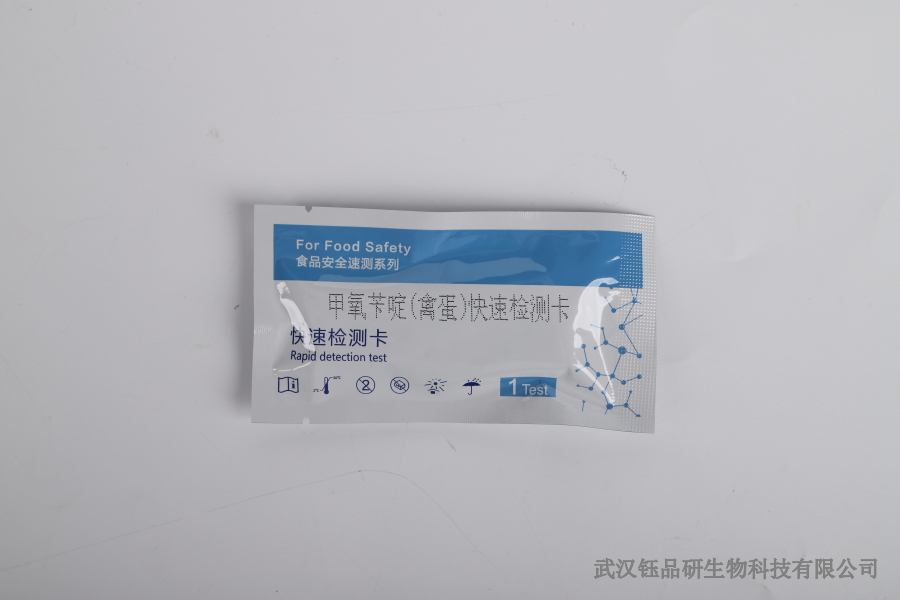
Faced with the safety risk of meat, eggs and milk caused by the excess of feed aflatoxin B, fast and accurate detection technology is the key. Wuhan Yupinyan Bio focuses on the research and development of food safety rapid detection reagents. The aflatoxin B detection reagent produced by it adopts advanced immunochromatography or enzyme-linked immunoassay technology to realize rapid screening of feed, meat, eggs and milk samples. The detection process is simple and efficient, without the need for complex instruments and equipment, and can provide results in a short time, helping farmers, enterprises and regulatory authorities to detect risks in a timely manner, control the quality of feed from the source, block the transmission of toxins through the food chain, and build a strong detection line for the safety of meat, eggs and milk.
In short, the excess of feed aflatoxin B is an important risk point for the safety of meat, eggs and milk, and its transmission effect through the food chain may pose a long-term threat to consumer health. With the help of professional detection technology and products, such as the rapid detection reagent of Wuhan Yupinyan Bio, it can effectively identify the risk of pollution and provide solid support for ensuring the safety of meat, eggs and milk. In the future, strengthening the control of feed sources and promoting scientific detection methods will be an important direction to reduce the risk of the food chain and protect food safety.